
Each year, before major league baseball swings back into full action, an event called the grapefruit league captivates both fans and players. This annual gathering in Florida sets the stage for preseason games and brings together a unique blend of history, opportunity, and anticipation. Baseball teams head south to prepare for opening day, creating an atmosphere filled with excitement and old-fashioned charm.
Origins of the grapefruit league
The roots of the grapefruit league run deep in the sport’s legacy. Long before stadiums buzzed with energy during the regular season, teams sought warm places for practice and preparation. Florida emerged as the ideal spot thanks to its temperate weather and abundant resources.
The quirky name “grapefruit league” actually comes from Florida’s famous citrus crop. As training camps popped up among groves, the state’s identity and the league’s moniker became forever linked. According to legend, one player even caught a grapefruit tossed from an airplane, further cementing this playful nickname for Florida’s spring training baseball activities.
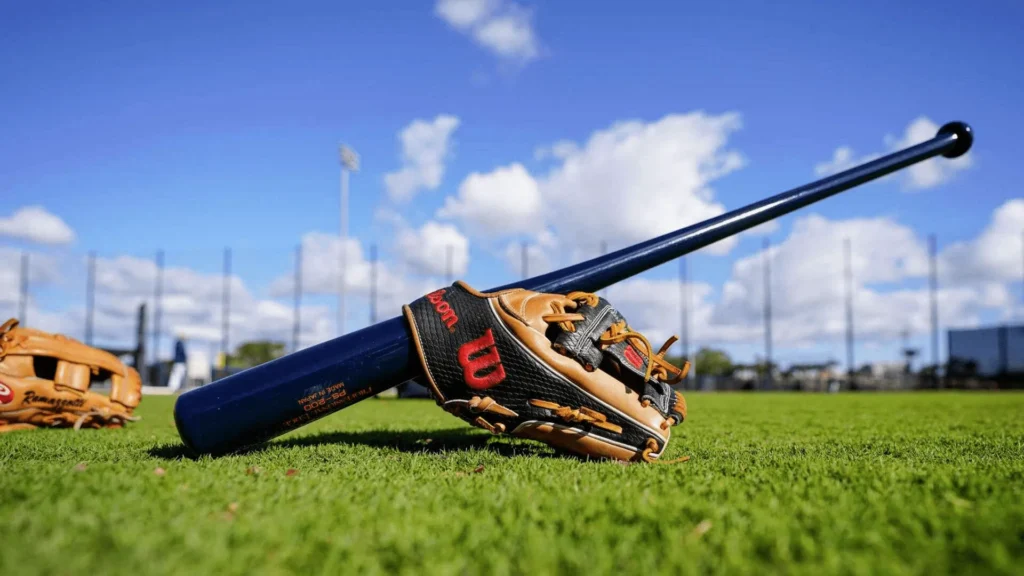
Why do baseball teams train in florida?
Florida’s climate plays a major role in its status as home to the grapefruit league. While much of the country faces cold or unpredictable weather in early spring, teams can rely on sunny skies and mild temperatures here.
This environment keeps games and practices on schedule, boosts player morale, and sharpens readiness for the season start. For many athletes, arriving in Florida signals a fresh start and offers a chance to shake off winter rust ahead of opening day.
Spring training structure and experience
The grapefruit league has become synonymous with spring training, turning towns across Florida into lively hubs each year. Supporters come to see their favorite baseball teams compete in preseason games and catch first glimpses of new lineups, prospects, and returning stars.
Several elements make spring training within the grapefruit league such a special affair:
- Intimate ballparks allow close interaction between supporters and players
- Many games offer a relaxed atmosphere, perfect for families and newcomers
- Young prospects and non-roster invitees receive opportunities to prove themselves
- Teams experiment with strategies and rosters without concern for standings
- Tickets are generally more affordable than those during the main season
These traditions transform routine training camps into celebrations, connecting communities with America’s pastime long before the official first pitch.
History and tradition behind the league
Since its inception over a century ago, the grapefruit league has woven itself into the fabric of baseball culture. It remains one of the most cherished pillars of the sport’s yearly rhythm, preserving memories while fostering new beginnings for both seasoned veterans and rising stars.
Some of the earliest and most storied franchises have participated in Florida’s spring circuit, adding layers of history with each passing decade. Local pride runs strong in host cities, where stories of legendary moments and unforgettable encounters are shared through generations.
Comparing cactus league and grapefruit league
Not all major league baseball spring training takes place in Florida. Out west, Arizona hosts the cactus league, offering similar conditions but with its own distinct flavor and landscape. Desert vistas replace subtropical scenery, and travel between facilities is often shorter due to their geographic proximity.
The choice between participating in the cactus league or the grapefruit league usually depends on team location, historical ties, and logistical convenience. Both leagues, however, serve the same essential purpose: preparing players for the rigors of a full baseball season.
While both host preseason games and attract enthusiastic crowds, there are notable differences between these iconic leagues. The grapefruit league features ballparks spread across Florida’s east and west coasts, offering diverse experiences in various small towns and larger cities.
The cactus league, centralized around greater Phoenix, means teams rarely stray far from each other. Some prefer Florida’s lush green backdrop and longstanding connection to the sport’s citrus/grapefruit origin, while others appreciate Arizona’s accessibility and dry air.
Grapefruit league today: impact and traditions
The modern grapefruit league remains immensely popular, drawing thousands of visitors each year. Teams use these weeks in Florida to shape rosters, integrate new talent, and gauge performance under real-game pressures. Media coverage brings national attention, and players often connect with new supporters during autograph sessions or casual postgame conversations.
For locals, hosting a major league baseball team energizes businesses and fosters civic pride. The economic boost lasts well beyond the final spring contest, as travelers return for summer vacations and future games. Florida itself continues to shine as the heart of professional baseball’s cherished preseason tradition.
Certain customs have endured since the league’s earliest days. Morning workouts fill the air with the sound of cracking bats, while afternoon scrimmages bring communities together in simple wooden bleachers. The sight of familiar uniforms on sun-soaked fields rekindles anticipation for the coming season start.
Legacy players and memorable performances continue to emerge, fueling stories shared around dinner tables and local parks. Whether reconnecting with baseball’s past or catching a glimpse of its future stars, participants cherish these weeks for their mix of nostalgia and optimism.
Opening day anticipation and the road ahead
No matter how many springs pass, the grapefruit league continues to offer something special each year. The journey from relaxed training camps in Florida to the urgency of opening day mirrors the transformation experienced by organizations and their supporters alike.
Every March, a sense of renewal fills the air as teams step onto immaculate diamonds framed by palm trees and blue skies. Grapefruit league success is not measured by standings alone—it is found in the rekindled hope and unity brought by America’s favorite game.