Decluttering Terraced Houses: Room-by-Room Strategy
Terraced houses have their own quirks — low ceilings, shared walls, long thin rooms. Here's how to work with your layout instead of against it.

Understanding Your Terraced House Layout
Terraced houses aren't like detached properties or modern open-plan apartments. They've got their own personality — often built in Victorian or Edwardian times with specific constraints that shaped how rooms connect. The good news? Once you understand these quirks, you can actually use them to your advantage when decluttering.
You're probably working with narrower hallways, smaller bedrooms, and fewer storage options than you'd like. But that's not a problem. It's actually a constraint that forces you to be more intentional about what stays in your home. The strategy isn't to fight your house's layout — it's to work with it.
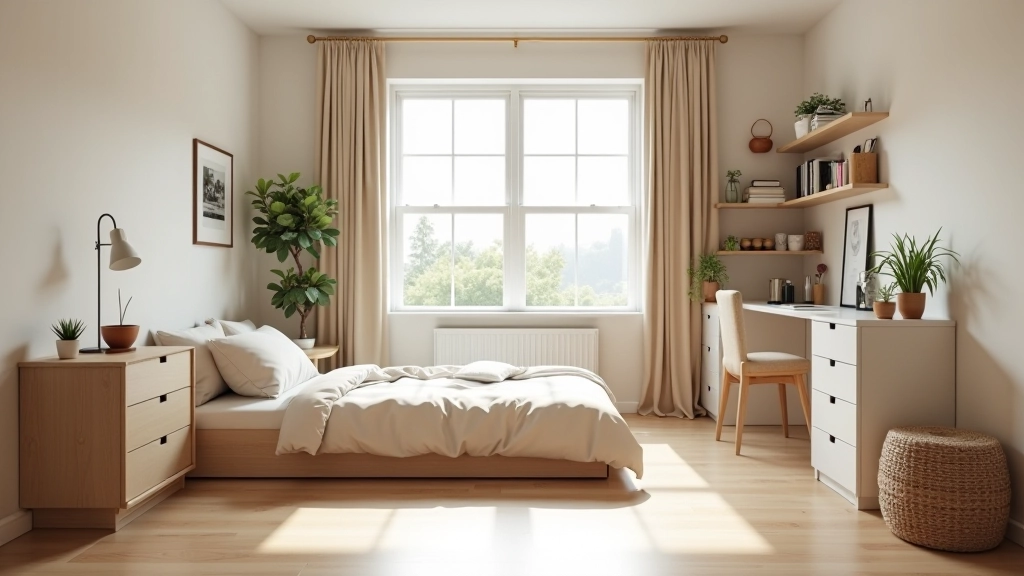
The Bedroom Strategy: Space Over Stuff
Bedrooms in terraced houses tend to be smaller than you'd expect. We're talking 12 by 14 feet in many cases — maybe less. That's roughly where you'd fit a double bed, one wardrobe, and a small chest of drawers if you're lucky.
Start here: remove everything that isn't actually used in that room. Not the "maybe I'll read this" pile. Not the exercise bike you haven't touched since January. The bedroom's job is simple — sleep and get dressed. That's it.
Bedroom Decluttering Priorities
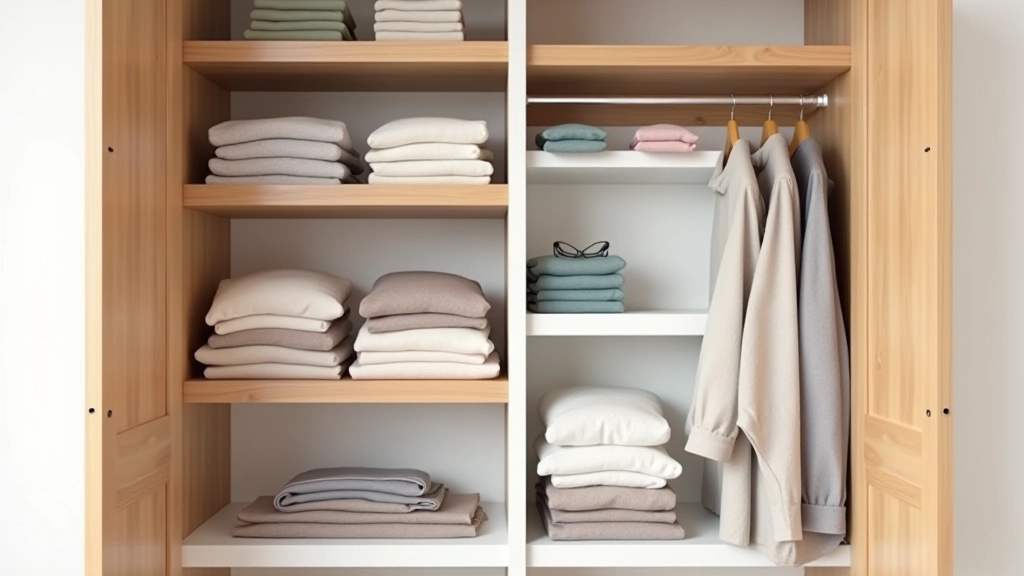
- One wardrobe maximum (two if one person has separate seasonal clothes)
- Bedding: 2-3 complete sets only
- Nightstands: essentials only (books, lamp, water glass)
- Under-bed storage: 1-2 containers for off-season items
The key is visible floor space. If you can see your bedroom floor from the doorway, you've decluttered successfully. Don't aim for perfect minimalism — aim for breathing room.
The Kitchen Problem (And How to Solve It)
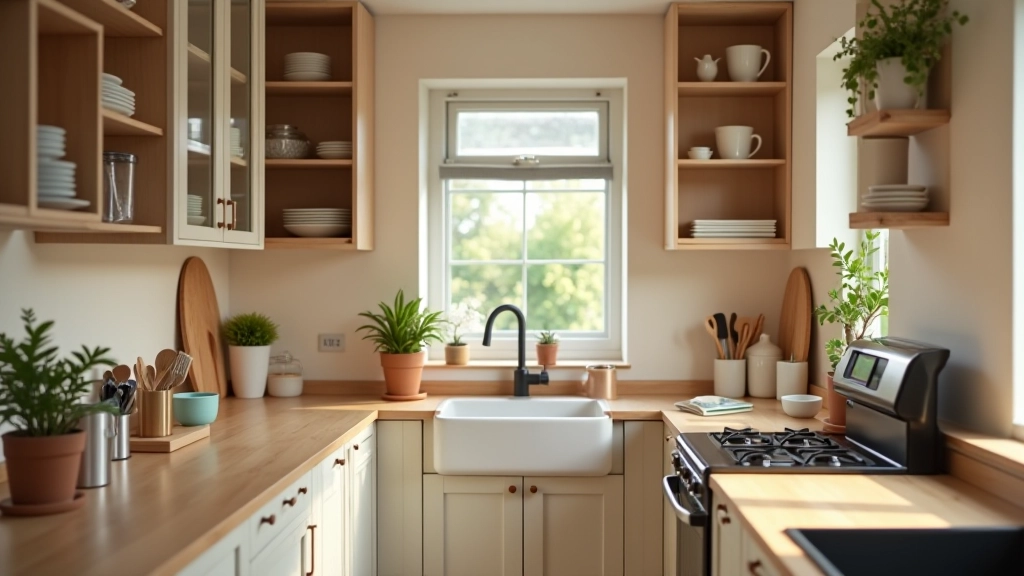
Terraced house kitchens are typically galley-style — long, narrow, with cupboards on both sides. It's actually a brilliant layout if you're decluttering properly. You've got defined spaces, and everything has a logical place.
Here's what doesn't work: keeping 47 kitchen gadgets, 12 mixing bowls, and three sets of measuring spoons. Be ruthless. If you haven't used that bread maker in three years, it's taking up prime real estate in your cupboards.
1
Empty Everything
Every cupboard, every drawer. See what you actually have.
2
Group by Use
Baking together, everyday dishes together, occasional items separate.
3
Use Vertical Space
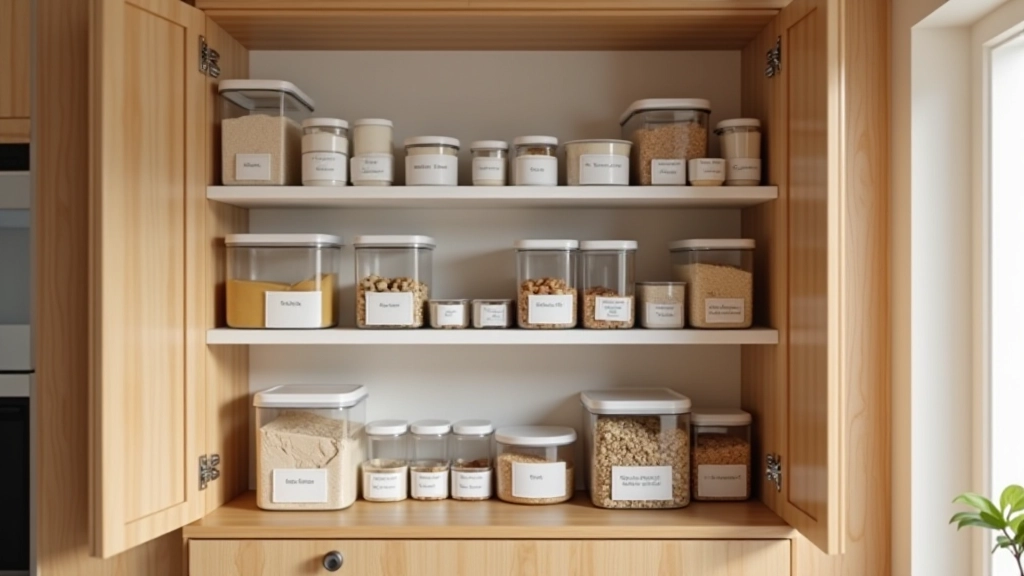
Wall-mounted shelves, drawer dividers, hanging rails for utensils.
Living Rooms and the Long Thin Problem
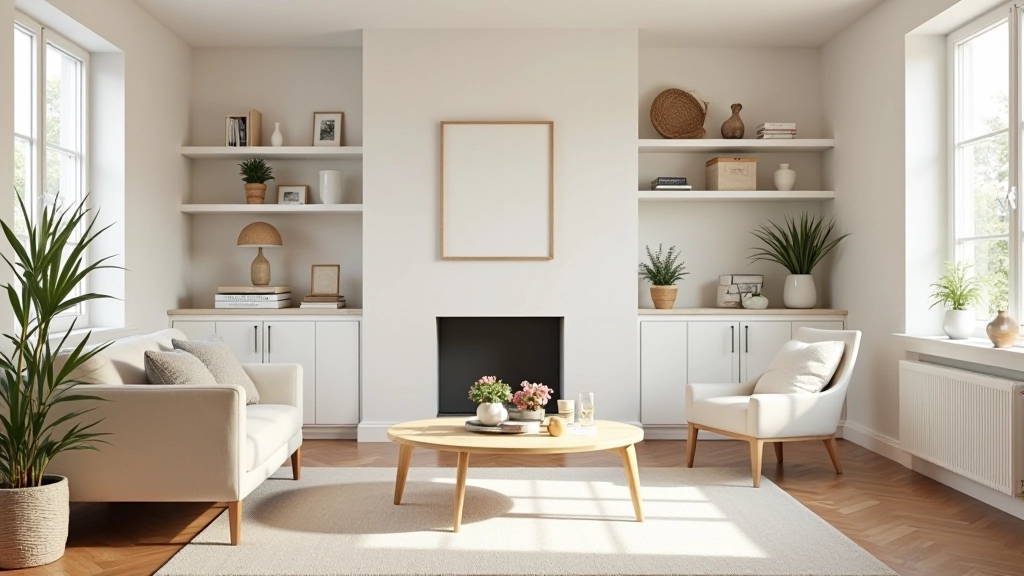
Many terraced house living rooms are rectangular — not square. You've got a narrow, long space that can feel cramped if it's cluttered. The furniture arrangement matters more than you'd think.
Don't overcrowd. A sofa, a chair, a small side table, and one bookshelf. That's actually plenty. The temptation is to fill the space because it feels empty, but empty is what makes it feel bigger. Plus you'll have room to actually move around without squeezing past the coffee table.
Things to remove: extra throw cushions you don't use, magazines from 2023, decorative items that are just dust collectors, and furniture that doesn't serve a purpose. Each item should earn its place by being genuinely useful or genuinely loved. Not both — either one works.
Hallways and Stairs: Don't Store There
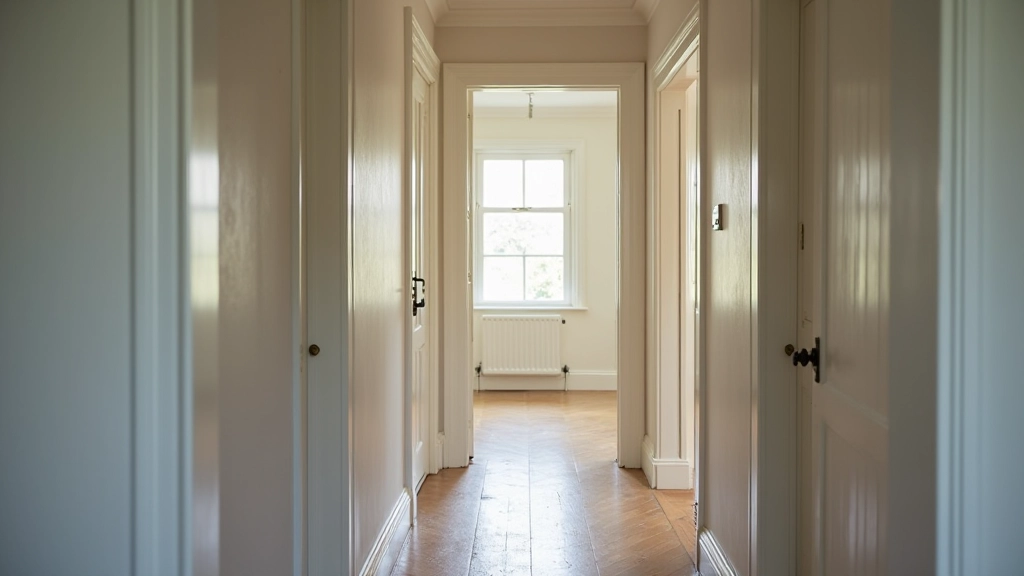
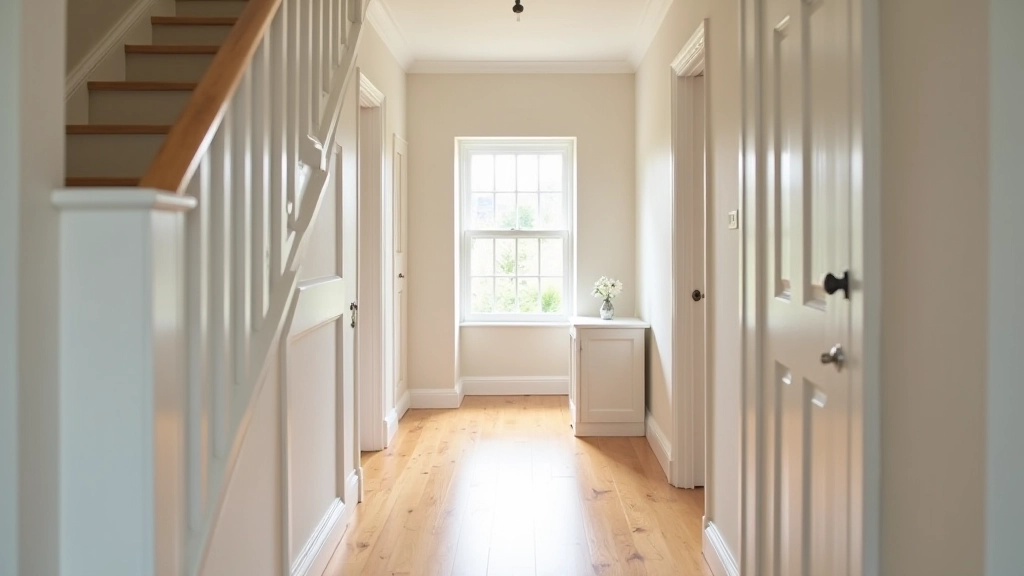
This is crucial: hallways and stairways aren't storage areas. They're circulation space. If your hallway's got boxes stacked along one wall or your stairs have shopping bags piled up, you're losing functionality in the parts of your home that actually connect everything else.
The under-stairs cupboard is different — that's purpose-built storage. But the stairs themselves and the hallway floor? Keep them clear. It makes your entire house feel bigger, and it's safer too. You won't trip over things at 6am rushing to work.
"A clear hallway is the sign of a home that's organized. Not perfectly organized — just functional and honest about what it actually contains."
— Professional organizing principle
The Terraced House Mindset
Decluttering a terraced house isn't about achieving some perfect aesthetic or following an Instagram-ready system. It's about being realistic about your space and what you actually need. Terraced houses work best when you respect their constraints — smaller rooms, narrower hallways, limited storage.
Start with bedrooms. Move to kitchens. Clear the living room. Keep hallways empty. Do one room properly rather than rushing through the whole house half-heartedly. You'll notice the difference almost immediately. More space, less stress, and a home that actually functions instead of just existing.
The process takes time — usually a few weeks per room if you're doing it thoroughly. But once you've decluttered your terraced house, keeping it that way becomes surprisingly easy. You'll know what you have, where it goes, and whether something new is actually worth the space it takes up.
Information Disclaimer
This article provides general guidance on home organization and decluttering strategies. Every terraced house is unique, and what works in one property may need adjustment for another. Consider consulting a professional organizer if you're working with structural issues, listed building constraints, or complex storage challenges. Always follow local building regulations when installing shelving, storage solutions, or making modifications to your home.