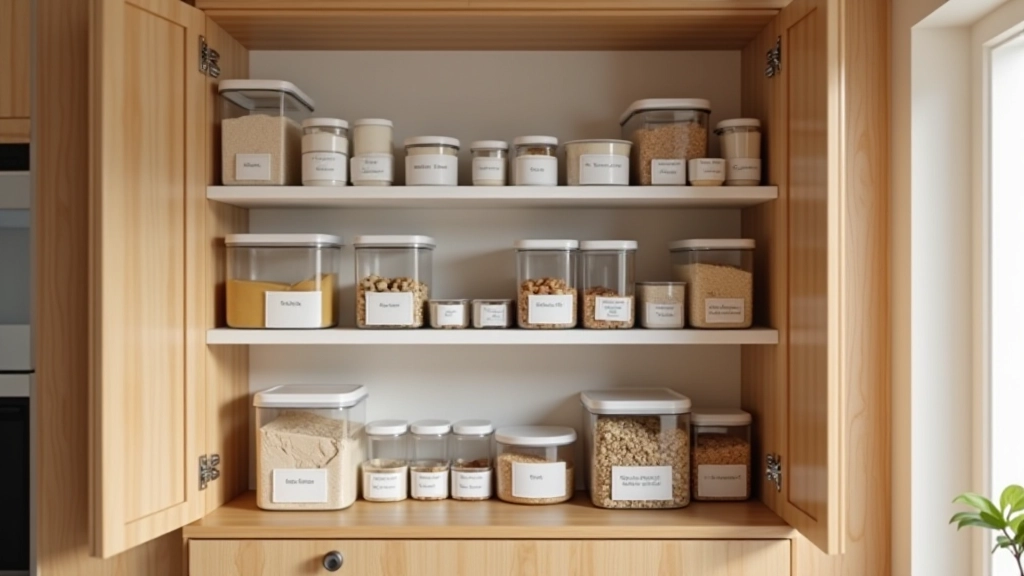

The KonMari Method for British Homes: A Practical Guide
Does the KonMari method actually work in a three-bedroom terraced house? Yes. Here's how to adapt it for British living and smaller spaces.


Why British Homes Need a Different Approach
Marie Kondo's method is brilliant. But here's the thing — it was designed in Japan where space is precious and homes are compact. British terraced houses have their own peculiarities. Low ceilings. Awkward cupboards under the stairs. Shared walls. Long thin rooms that don't quite fit modern furniture.
The KonMari method doesn't fail in a British home. You just need to adapt it. We've worked with dozens of families in Manchester, Birmingham, London, and Edinburgh who've successfully decluttered using this approach. They didn't throw out half their possessions. Instead, they got real about what they actually use and created homes that function properly.
What You'll Learn Here
- How to start the KonMari method in a terraced house
- The five categories — adapted for British living
- Dealing with awkward storage spaces
- Creating sustainable systems that actually stick
The Five Categories: A Practical Order
The KonMari method tackles five categories in a specific order. This order matters because it trains your decision-making muscles. By the time you get to sentimental items (which are hardest), you've already made hundreds of decisions about clothes and books.
Start with clothes. Sounds simple, right? But here's what happens — you pull everything out of your wardrobe. And we mean everything. Jumpers from the spare room, winter coats from under the bed, that one nice dress you haven't worn since 2019. Pile it all on the bed. It's shocking how much accumulates.
Then you hold each item and ask: "Does this spark joy?" Not "Is this still good?" or "Did I pay a lot for this?" The question is specifically about joy. Does wearing it make you feel good? If not, thank it for its time and pass it on. You'll be surprised how many items go, and you'll be left with clothes you actually wear.
Pro tip: In a three-bedroom terraced house, spread the clothes category over two weeks. Don't try to do it all in one weekend. You need space to work, and you need time to sit with your decisions.

The Folding Technique That Changes Everything
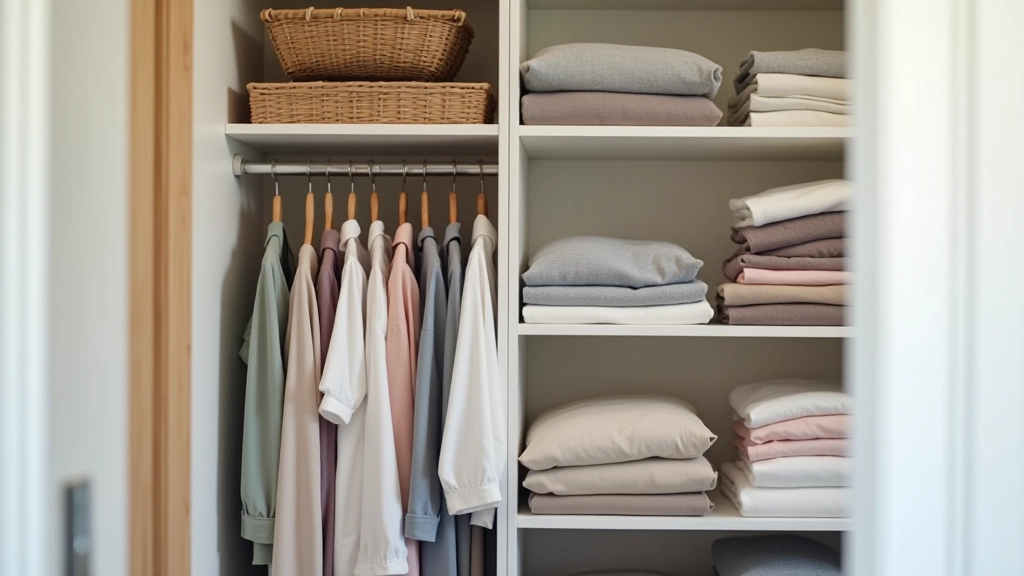
You've probably seen videos of the KonMari fold. The vertical method where everything stands upright like little files. It's not just about making things look pretty — though it does. It's about accessibility. When clothes stand vertically in a drawer, you see everything. No more burying jumpers under t-shirts and forgetting they exist.
For British homes with limited drawer space, this is genuinely transformative. A standard bedroom drawer that usually holds six folded jumpers? You can now fit twelve, and you'll actually use them because you can see them.
The technique takes practice. Your first attempt will feel fiddly. By the tenth attempt, your hands know what to do. Most people take 30-45 minutes to fold a full wardrobe using this method. Yes, it's slower than throwing everything in a heap. But you'll spend far less time hunting for things and deciding what to wear.
Dealing With British Storage Quirks
Terraced houses come with storage challenges. That cupboard under the stairs? It's deep, narrow, and you can't see anything in the back. The airing cupboard is probably packed with ancient towels. The loft access might be tiny. These spaces aren't going away, so you've got to work with them strategically.
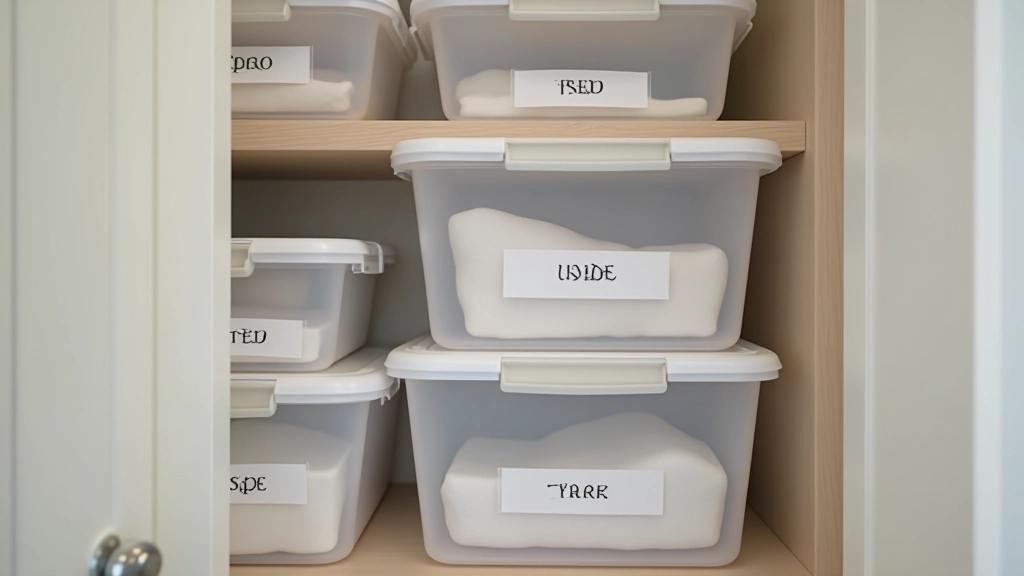
Here's what works: Use awkward spaces for things you don't access frequently. Winter bedding goes under the stairs. Off-season decorations fit in the loft. Current-season items — the stuff you use weekly — should be in accessible, visible storage. Don't hide your everyday life in dark cupboards.
Get clear plastic boxes if you're using under-stairs storage. Label them. Use the vertical space in your airing cupboard with shelf dividers. These small changes make a massive difference. You're not fighting your home's layout — you're working with it.
"Wasn't sure about it at first honestly. But after three weeks of using the KonMari system in our terraced house, I found myself with an actual spare shelf in the bedroom cupboard. That hasn't happened in years."
Making It Stick: Creating Systems That Last
This is where most people fail. They declutter brilliantly, feel amazing for two weeks, then slowly slip back into old habits. Six months later, they're wondering where all the new clutter came from.
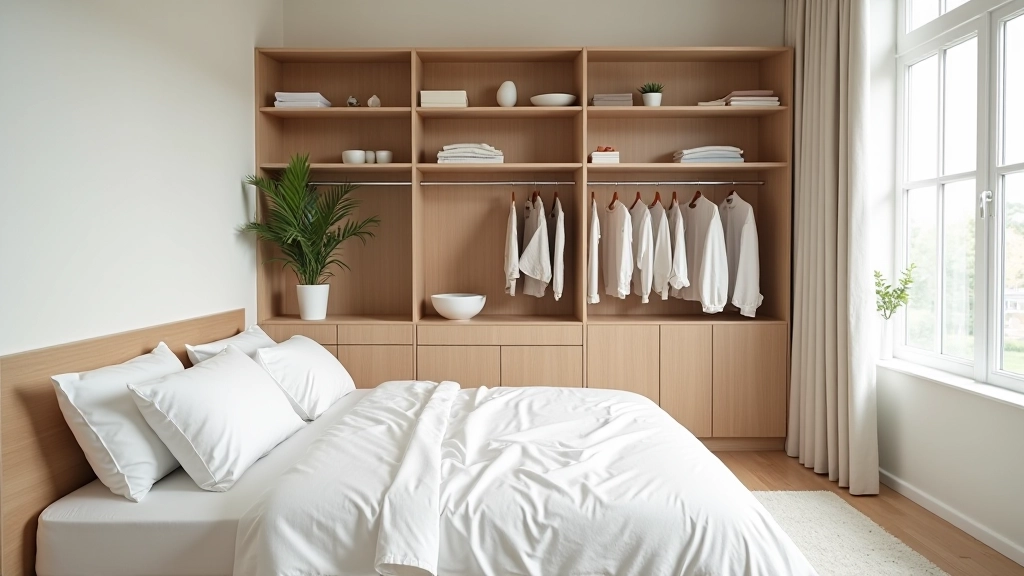
The secret isn't willpower. It's creating systems that work with your actual life, not against it. After you've decluttered, assign a home for everything. Not "somewhere in the bedroom" — an actual spot. Your work clothes go in the top drawer. Evening wear goes on the rail. Gym kit lives in a specific box. Everything has a place.
Make it easy to maintain. If something takes more than 30 seconds to put away, you won't do it consistently. So storage needs to be accessible. Boxes need to be easy to open. Shelves need to be reachable. You're not creating a museum — you're creating a home you actually live in.
Check in monthly. Just fifteen minutes where you notice if anything's creeping back. Not as a guilt trip — just a gentle reset. You'll be amazed how a few minutes of attention keeps everything aligned.
The Real Win Isn't the Space
People often think the KonMari method is about throwing away stuff. It's not. It's about making deliberate choices. When you hold something and ask "Does this spark joy?" you're not being sentimental or wasteful. You're being honest. And that honesty changes how you live.
Yes, you'll have more space in your cupboards. Your bedroom will feel calmer. Getting dressed will take less time. But the real win is knowing that everything in your home is there because you chose it. You're not living with someone else's expectations or outdated versions of yourself. You're living with intention.
British terraced homes aren't obstacles to this method. They're actually ideal for it. Limited space forces you to be selective. Awkward cupboards teach you to be creative. Shared walls mean a calm home benefits everyone. Start with clothes, trust the process, and be patient with yourself. It works.
Important Note
This article provides educational information about the KonMari method and home organization principles. Everyone's situation is different — your home layout, family circumstances, and storage challenges are unique to you. The techniques described here are meant to be adapted to your specific needs, not followed as rigid rules. If you're working with a professional organizer, follow their personalized guidance for your space.
Related Articles